Best things to do in Shaoxing for a slice of authentic China
Culture Explorer uses affiliate links, including those from Amazon, which are identified using an *. If you buy something through the link at no extra cost to you, Culture Explorer may be paid a commission, which helps to fund running of the site. You can read more about this here.
One of the most interesting places I’ve been to in China was Shaoxing. It’s a small city, about half an hour by train from Hangzhou in the east of the country.
It’s by no means the most exotic place I’ve ever been to but I found a kind of honesty there.
I was staying in Hangzhou for a few days, exploring the usual tourist traps of the West Lake and the tea plantations, when I decided to head to Shaoxing. It’s known the world over for the rice wine – and I wanted a taste.
Shaoxing rice wine is an ingredient that’s ubiquitous in Chinese cooking, especially in the preparation of meat and fish dishes. It takes out some of the unpleasant flavours of the meat or fish, and adds a depth of flavour.
I had fully anticipated some huge, unsightly factory churning out the stuff by the gallons, and the smog-clogged city just outside of the train station seemingly confirmed my fears.
But half an hour’s walk into the old city completely changed my perspective.
Time, it seemed, had stood still in this tiny neighbourhood.
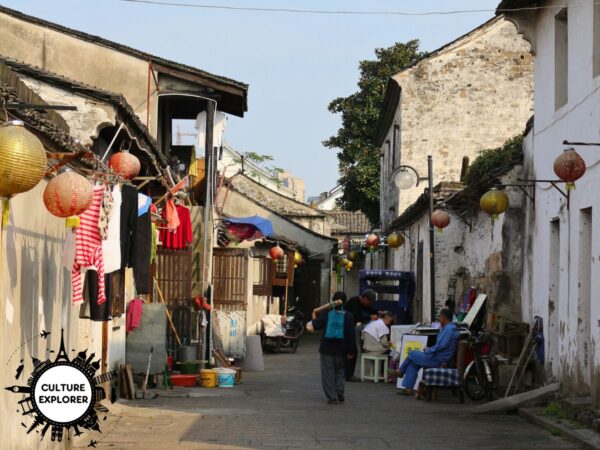
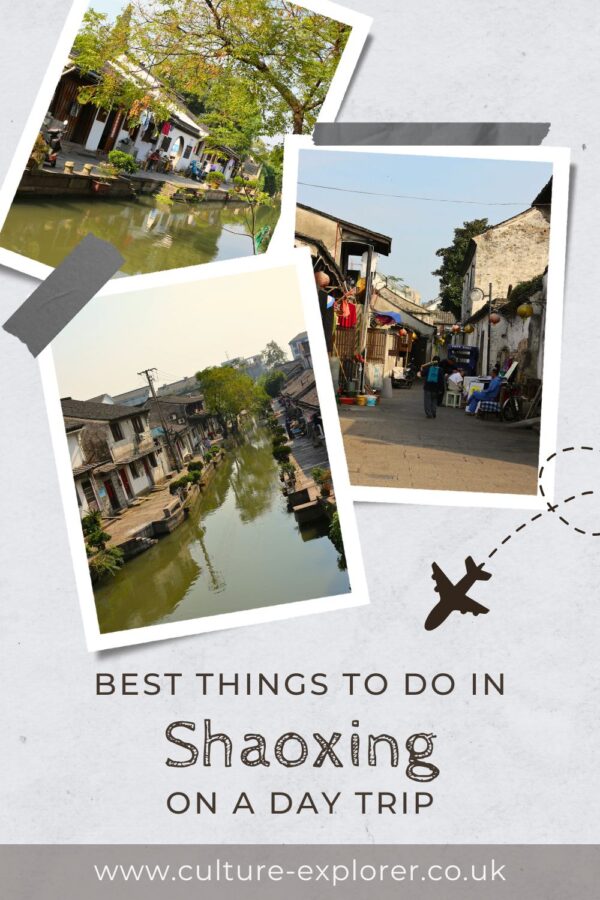
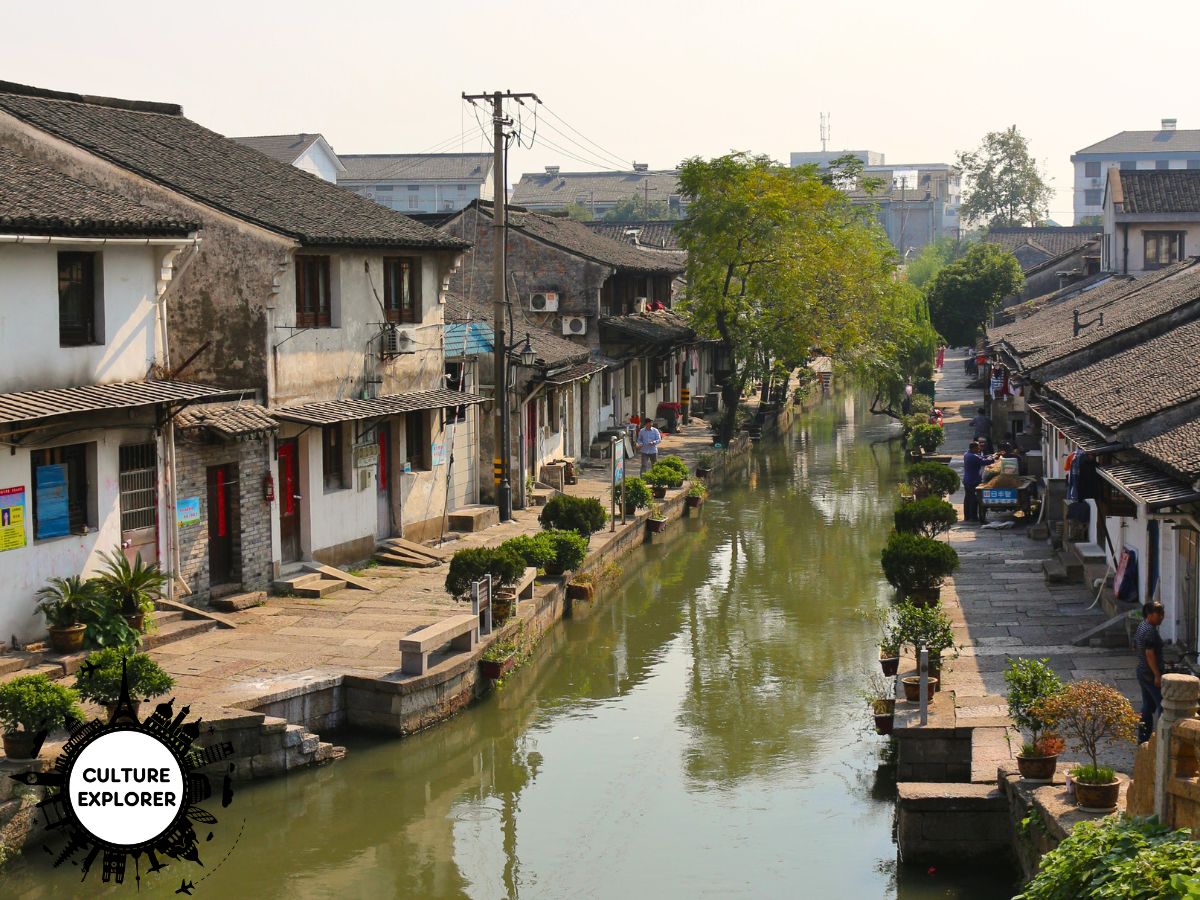
The jumble of streets became narrow and cobbled while buildings of different shapes and sizes leaned into each other in a way that only unplanned architecture could.
Slow-moving waterways divided them, and on either side were homes that had been untouched for decades.
There were keen signs of this – like the shared toilets that separated the homes at intervals. Or the pressed coal that had to be used for fuel because installing a gas network would have been impossible. Or indeed, the ladies who were doing their laundry on the steps leading to the canals, using water straight from the source.
It was a refreshing change from modernity, and not in a forced way some historic towns in China had become.
The Shaoxing wine producers, I discovered, were casually tucked into the ramshackle buildings.
They’re not the makers of the Shaoxing rice wine that you find on supermarket shelves though – these producers were far too small and their products were largely unlabelled.
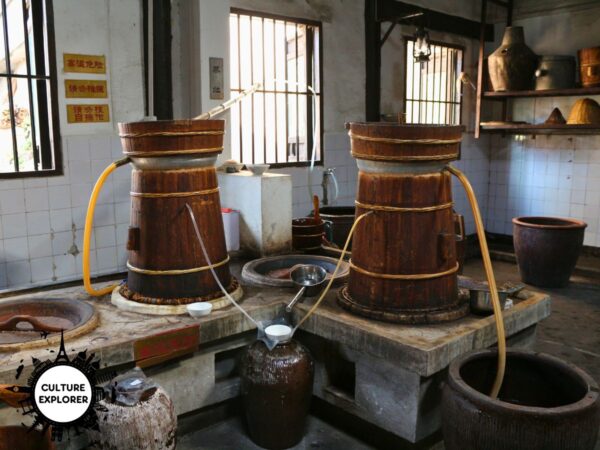
Generally, a small shop front faced the street where foot traffic was practically zero.
Inside, shelves were lined with small bottles while progressively larger urns took up the floor.
If there happened to be a distillery in the back, and you could smell the fragrant alcohol if there was, then you’ll also find a few terracotta amphorae with tubes sticking out of them.
The set up was always basic and the production small, but there was an authenticity that’s akin to a hand-formed cheese bought on a French farm or a bottle of port made with grapes that were crushed by foot.
In a country were thousands of small towns have been transformed into “ancient villages”, all selling identical trinkets from shops housed in faux-imperial architecture, Shaoxing felt like a true original.
Standing in its narrow lanes, you could imagine life there as it was five decades ago because so little has changed.
And in a country consumed by vapid consumerism and obsessed with new, that is really quite precious.
Best things to do in Shaoxing
My visit to Shaoxing was all the way back in 2014. A lot has changed since then.
When I went, most tourists were there for the literary sites, like writer Lu Xun’s former residence, rather than for the wine.
These days the city is a lot more commercialised, but there are also more things to see and do, like Anchang ancient town near the outskirts of the city.
The three spots below are where I ended up. They are doable in a day if you’re travelling from Hangzhou – just book your train tickets on Trip.com* or turn up at the station if it’s a weekday.
You could also stay in Shaoxing to see a bit more of the city. Depending on the pace you want to travel, one or two nights is plenty as it’s really not that big.
Bazi Bridge
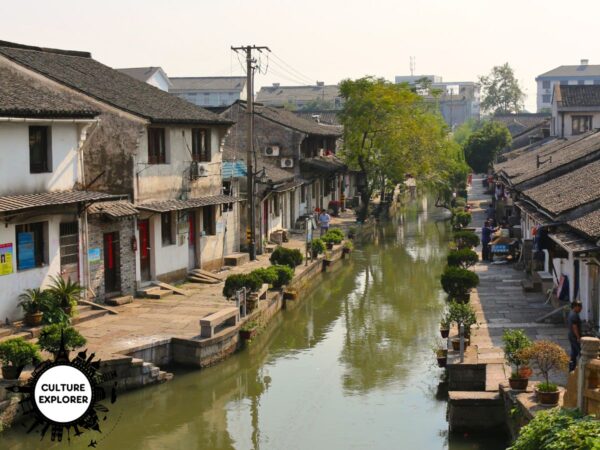
The neighbourhood around Bazi Bridge (ba zi qiao) was where I found my authentic slice of Shaoxing.
It’s compact, but centrally located and easy to walk around.
It’s also a residential neighbourhood so be mindful when you visit.
Lu Xun Native Place
The main appeal of Shaoxing for Chinese visitors is that it’s the birth place of Lu Xun, one of the most important writers of modern China.
There’s a sprawling area with a couple of museums comprising of his childhood home and his school.
For western visitors it offers a fascinating insight into family life and education in early modern China as well as some lovely architecture.
It’s also free to visit!
Nearby there’s also Shen’s Garden* (shen yuan). It’s ticketed but it’s a large ornamental garden that you can spend a few hours exploring.
Yuecheng District
Most of the distillers are clustered around the Yuecheng District, which is in the north of the city.
It’s a large area, with lots of historic homes, so just let yourself wander and get lost in the maze of streets.
Having tried a few distillers I honestly don’t think there’s one that stands out as the best – it’s all a matter of personal preference.
You might also want to visit the newish China Huangjiu Museum* to learn more about the Shaoxing wine production process.
What to eat in Shaoxing
The food in Zhejiang, the province that Shaoxing is in, leans towards the delicate.
There are lots of steamed dishes and the seasoning is generally very light to allow the flavours of the ingredients to shine.
Shaoxing adds an extra layer to this: the rice wine.
That means you’ll find everything from drunken chicken to prawn on the menu, all featuring rice wine as the top note.
Xun Bao Ji is a restaurant that specialises in Shaoxing cuisine and there’s a branch on lao dong road that’s close to Lu Xun Native Place.
Where to stay in Shaoxing
When I visited Shaoxing, it was on a day trip from Hangzhou. And to be honest, there weren’t many hotel options worth considering.
But now there are plenty, including a couple of international hotel chains.
My top pick would be Hilton Garden Inn Shaoxing Lu Xun Native Place* if you’re after a well known, international hotel brand. It’s modern and is in a central location close to most of the city’s sights.
There are however plenty of cheaper alternatives, and options from local hotel chains like the Atour Hotel Shaoxing Lushan Hometown Joy City*.
I normally book hotels on Booking.com* but Trip.com* has a better selection in this case since its parent company is Chinese.
Pin this for later