Packing for winter: What to take on cold weather trips
Culture Explorer uses affiliate links, including those from Amazon, which are identified using an *. If you buy something through the link at no extra cost to you, Culture Explorer may be paid a commission, which helps to fund running of the site. You can read more about this here.
Packing for a trip during the coldest months of the year?
Or perhaps you’re travelling to somewhere seriously cold for the first time and aren’t quite sure what to take?
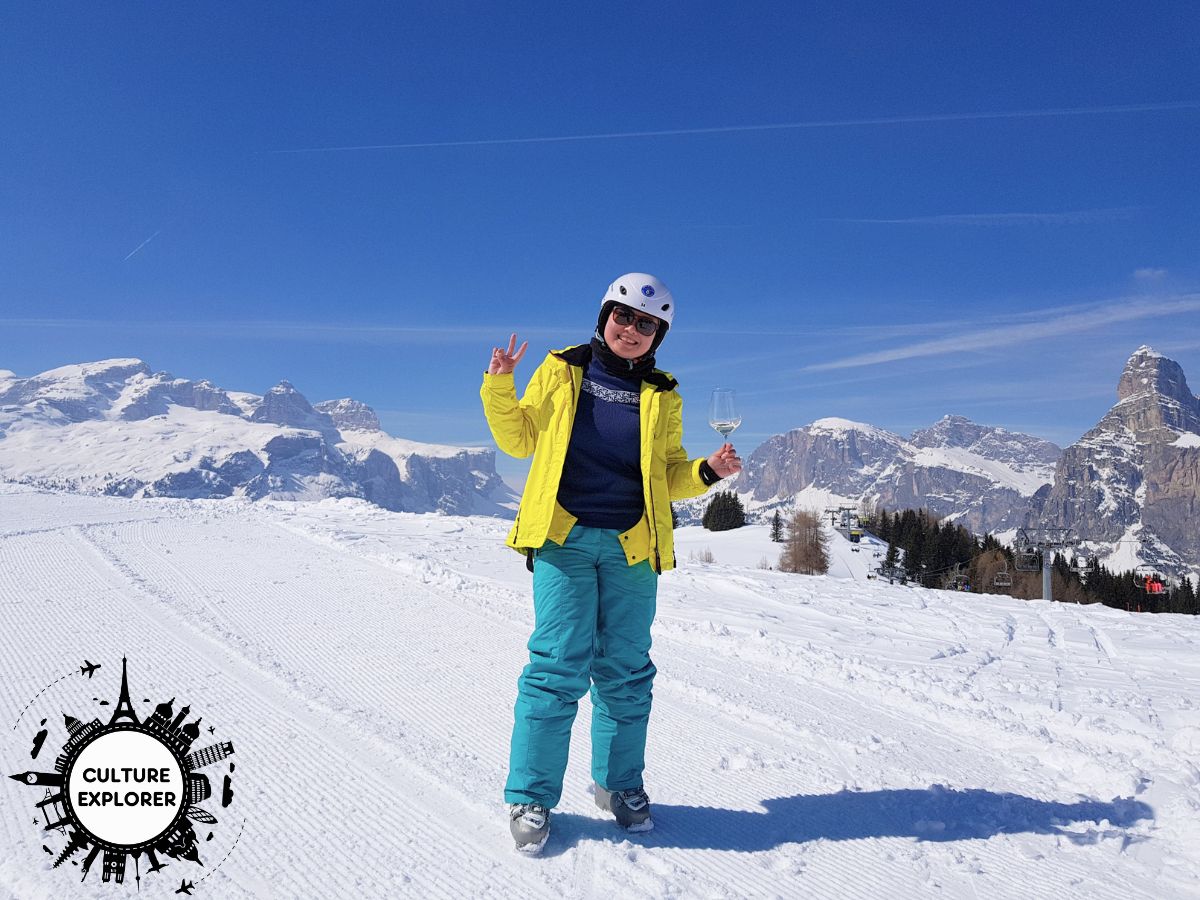
I’ve got you. Because from cruising the Arctic Circle in December to skiing in the Alps in January, I’ve done it all.
And as someone who’s allergic to the cold – no, really, it’s a thing – staying warm and comfortable is pretty high on my agenda.
With that in mind, here are my tips for packing for winter – and the essential gear you need to take for those cold weather trips.
Because, as we all know, cold weather gear is super bulky and airlines are not very forgiving when it comes to weight restrictions.
My top tip
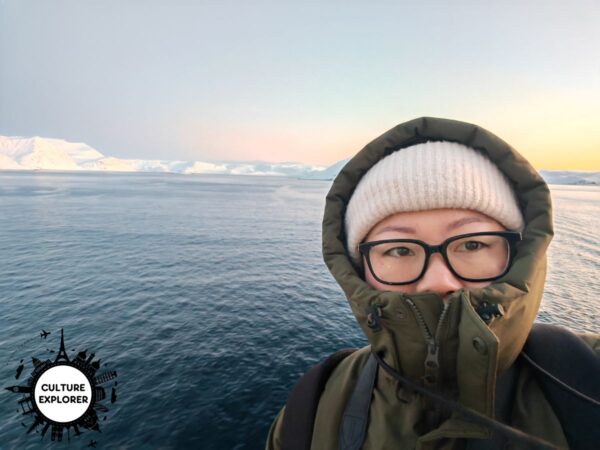
I’m sure you’ll have heard all this before but layering is everything when it comes to dressing for cold weather.
I know it’s a complete pain to step from sub-zero temperatures to a room where the heating is on full blast and having to take off layer after layer, but it really is the most effective way to stay warm.
It works because the layers trap warm air close to your body while still (hopefully) allowing excess moisture to escape.
It’s especially important in extreme conditions because any sweat will quickly turn cold – even inside your clothes – and that’s both uncomfortable and potentially dangerous if it triggers hypothermia.
There are two other tips that might help if you struggle with overpacking.
One is to use a compression packing cube*.
These help compress bulky items, which can give you a bit more room in your suitcase.
The other is to look through your wardrobe and find things that offer insulation and are lightweight – choosing the right fabrics helps a lot here (more below).
How to layer for cold weather
The sweet spot that balances warmth and freedom of movement is three layers.
For the base layer, you’ll need something made from a moisture wicking fabric that sits against the skin.
This will keep you relatively warm while still allowing moisture to escape.
The mid layer is all about insulation and is what’s going to help you to retain your body heat.
You can wear more than one of these middle layers but obviously each additional layer will restrict your movement a little more.
For the outer layer, you’re looking for something that will act as a protective shell.
That means it needs to be windproof at the very least but ideally waterproof as well.
Best fabrics for base layers

When it comes to the best fabrics for base layers, merino wool is the experts’ top choice.
It’s great for insulation and breathability and it’s also odour resistant, which means you can wear it for multiple days – even on active breaks – without worrying about bad smells.
Amazon* is always a great option but otherwise check Decathlon* and Mountain Warehouse*, where you’re more likely to find special offers.
Synthetic fabrics can work as well, and they’ll probably be cheaper, but they might not be as effective for moisture wicking once you’re layered up.
Some can also hold on to odours, which can be limiting for multi-day wear.
I personally really like Uniqlo’s HEATTECH line*, because it comes in lots of different thicknesses and still looks stylish enough for a nice restaurant.
Whatever you do, though, don’t pick cotton.
While it’s super comfortable in warmer weather, it absorbs and holds on to moisture, which is the last thing you want when it’s cold outside.
Best fabrics for mid layers
As mid layers are all about insulation, synthetic fabrics tend to work best.
If you’ve read the tips I shared in my ultimate packing list, and my guide to shopping for outdoor gear, then you’ll know that I wear natural fabrics almost exclusively.
Cold weather and technical gear are categories where I make an exception.
The main reason is that synthetic materials tend to be lighter and less restrictive, which is what you want when you’re sightseeing, hiking or skiing.
I love fleeces for mid layers because they’re so cosy and warm and they last for years – and they work even when damp.
My current favourite is one from Regatta*, which is cheap, easy to clean and folds up small but I also love the stuff from Tog24*.
The other lightweight option you could go for is a down jacket or vest.
I’ve got a down jacket from Uniqlo* that seems to keep me warm from autumn to spring, and is thin enough to wear under another jacket, so it goes on a lot of trips with me.
Obviously both fleeces and down jackets are pretty casual.
If you’re looking for something smart that you could wear out to a nice restaurant, merino wool and cashmere are your best options.
M&S* and Uniqlo* both carry a large and reasonably priced selection of these.
Best fabrics for outer layers
More often than not, the chill in winter comes from the wet and windy weather, and this is what you want to keep out with your outer layer.
That means you’re looking for a fabric that’s windproof and at least water resistant if not waterproof, plus a decent amount of hydrophobic insulation.
Again, synthetic materials will work best if you’re looking for something that’s lightweight and allows you to stay active.
A lot of outdoor brands have developed their own fabrics with this in mind, or use a Gore-Tex coating, which is breathable and waterproof.
For me, unless you’re looking for technical gear for an expedition, any one of the top brands will do.
TK Maxx is a great place to shop for bargains if you’re not so bothered about the brand you end up with.
I personally love my long-line jackets from Berghaus* and Helly Hansen*.
I’ve also recently dug out a shorter jacket from The North Face* that I’m not even sure is still waterproof because I’ve had it for so long – but it’s still great at windproofing.
In any case, what you’re really looking for is a jacket that has all of the features you want and at a price that you’re willing to pay.
Some of the things I look for are:
- Windproofing features like storm flaps on zips
- Level of waterproofing
- Length of the jacket
- Breathability of fabric
- Adjustable areas like cuffs and hoods
- Number and position of pockets
Essential cold weather accessories
It’s all very well having the right clothes but not having the right gear could still leave you exposed to the elements.
A well insulated hat that’s breathable and will stay on your head when it’s windy is essential. A beanie* is my top pick here, and I have one from Rossignol* that’s ridiculously warm.
You’ll also want some neck cover. A scarf is the obvious choice in this case but a neck gaiter* can be easier to tuck into your coat, especially if it has a funnel neck design.
When it comes to gloves, waterproof ones* are ideal, although they can get super sweaty so look for a breathable fabric with touchscreen-friendly fingers.
As for shoes, I have insulated boots from Timberland* for urban exploring and snow boots from Mountain Warehouse* for snowy terrain – both have good lugs to reduce the chances of slipping in wet or muddy conditions.
Don’t forget the right socks. I like layering thin socks with a thicker, woolly one, especially when I’m hiking.
Beauty essentials for winter
I always pack a few extra skincare products for winter trips because I find my skin dries, cracks and sometimes even bleeds from the small cuts when it’s super cold.
Top of the list is a good moisturiser that you can use on the whole body because your skin will dry out so much faster in winter.
I’m not brand-loyal here but Palmer’s* is always a reliable bet.
I’ll also take a small tube of hand cream with me everywhere so I can reapply whenever my hands feel dry.
Again, I’m not brand-loyal here although Neutrogena’s hand creams* have always worked well for me.
For lip balm, I love Burt’s Bees* because it’s super nourishing and comes in so many different scents – if you can find it, the grapefruit one smells divine.
For my face, I use a couple of different products.
By day, I use a moisturiser with an SPF. Currently it’s the Cetaphil Daily Defence Cream SPF 50*.
At night, I chop and change between La Roche-Posay Cicaplast Baume B5+* (good for healing cracked skin) and Elizabeth Arden Eight Hour Cream Skin Protectant* (good as a barrier for irritated skin).
My winter packing list
With all of the tips in mind, here’s what I would pack for a winter trip.
As ever, it’s a master list that you should adapt according to your requirements.
Essentials
- Passport
- Visa/travel approval, if needed
- Driver’s licence
- Credit/debit cards for travel
- Wallet with cash
Documents (physical or digital)
- Travel insurance details
- Boarding passes
- Travel reservations (hotel/car hire/tours)
- Guidebooks/offline maps
Clothes
- Tops:
- Thermal top
- Fleece/jumper
- Weatherproof coat
- Bottoms:
- Base layer trousers
- Jeans/trousers
- Waterproof trousers (optional)
- Smart outfit
- Underwear:
- Knickers and bras
- Socks/tights
- Pyjamas
- Accessories
- Hat
- Gloves
- Scarf/neck gaiter
- Workout clothes
Footwear
- Trainers
- Boots (smart)
- Snow shoes (optional)
Toiletries
- Face:
- Face wash
- Day cream with SPF
- Night cream
- Lip balm
- Cotton pads/cotton buds
- Teeth:
- Toothbrush and toothpaste
- Retainers, case and cleaner
- Dental floss
- Hair:
- Shampoo and conditioner
- Hairbrush
- Hair bands
- Styling products
- Body:
- Shower gel
- Moisturiser
- Fragrance
- Deodorant
- Razor and shaving cream
- Accessories:
- Nail clippers
- Tweezers
- Feminine hygiene products
- Contact lenses and solution
Make up
- Foundation
- Concealer
- Eyebrow brush and pencil
- Mascara
- Eyeliner
- Lipstick
- Makeup brushes and accessories
- Makeup remover
Gadgets and electronics
- Mobile phone plus charger
- Travel adapter
- Power bank
- Laptop plus charger
- Camera/video camera plus charger
- Memory cards
- Health tracker plus charger
Medication and health
- Prescription medications
- Painkillers
- Multivitamins
- Plasters
- Tissues
Other stuff
- Umbrella
- Day bag
- Lock
- Sewing kit
For the flight
(see also my carry on essentials)
- Travel pillow
- Eye mask
- Headphones/earplugs
- Water bottle
- Hand sanitiser/wipes
- Hand cream
- Snacks
- Pen
- Books/magazines
- Warm clothing
Pin this for later